Chimney Inspection
CSIA Level 1, 2 and 3 inspections — including the Level 2 with video scan that escrow, insurers and home sales require.
Learn more about Chimney InspectionMost homeowners only need a Level 1. Buying or selling a home changes that completely. Here is exactly what each level covers and who genuinely needs which.
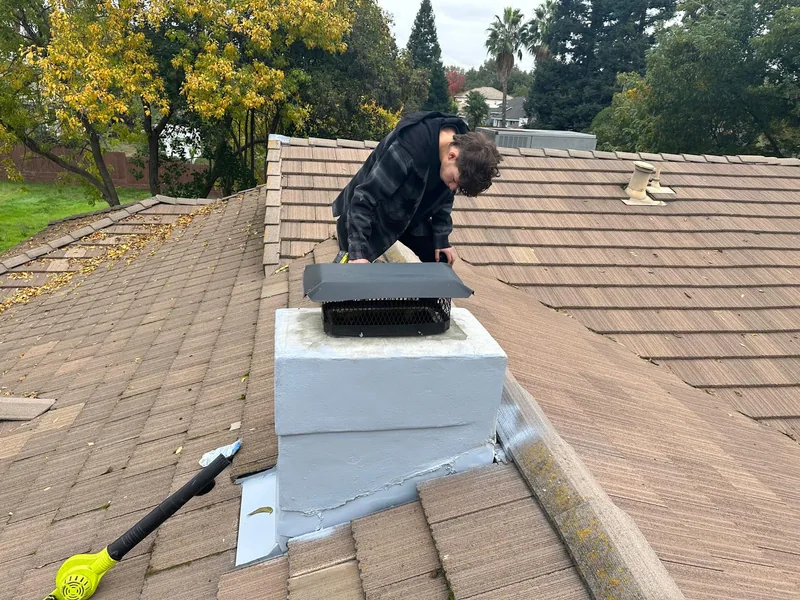
Before the levels were standardised, a chimney inspection meant whatever the person doing it decided it meant. One sweep would glance into the firebox with a torch; another would run a camera the full length of the flue. Both called it an inspection, and both charged for it.
NFPA 211 fixed that by defining three levels with specific, non-overlapping scopes. The value for you as a homeowner is that the level names now describe a defined body of work, so you can compare quotes on equal terms and know what you are actually buying.
If a company quotes you for 'an inspection' without naming a level, ask which level. It is the single most useful question you can ask on the phone.
A Level 1 inspection applies when your system is unchanged and remains in continued service under the same conditions as last year. It is what the great majority of homeowners need, and it is the annual check that NFPA 211 requires for every chimney.
The technician examines the readily accessible portions of the chimney exterior and interior, and the accessible parts of the appliance and the connection between them. That means looking at the crown, cap, flashing and visible masonry from the roof, and at the firebox, damper, smoke chamber and hearth from the room.
If a Level 1 turns up something concerning that cannot be assessed from the accessible areas, the correct response is to escalate to a Level 2 — not to guess.
A Level 2 includes everything in a Level 1 and adds two significant things: a video scan of the internal flue surfaces, and access to accessible attics, crawl spaces and basements where the chimney passes through.
The video scan is the important part. Cracked clay tiles, gaps where mortar joints between liner sections have washed out, separated liner segments and internal blockages are all invisible from the firebox and all show up clearly on camera. A chimney can look immaculate from the room and be badly compromised eight feet up.
This is the big one. Every fuel-burning appliance changing hands with the property should have a Level 2. California agents, escrow officers and buyers' inspectors expect it.
New appliance, different fuel type, a relining, or a change in flue shape or material all require a Level 2 to verify the chimney suits the new configuration.
A chimney fire can crack liner tiles even when it appeared minor and self-extinguished. This is not optional afterwards.
Masonry chimneys are rigid, heavy and poorly tied to the frame. Seismic damage is usually internal to the flue.
If you are selling a home with a fireplace, a Level 1 does not meet what the transaction needs. This is the most common and most expensive misunderstanding we encounter.
A Level 3 inspection includes everything in Levels 1 and 2, and adds the removal or demolition of concealing components — a section of chimney crown, an interior wall, or part of the chase — to reach an area that cannot otherwise be examined.
It is performed only when a Level 1 or Level 2 has produced strong reason to suspect a serious hazard that cannot be evaluated any other way. It is destructive by definition, and the cost includes making good afterwards.
In practice, most homeowners will never need one. If someone proposes a Level 3 without having first done a Level 2 that identified a specific concern, ask them what that concern is and to show you the evidence.
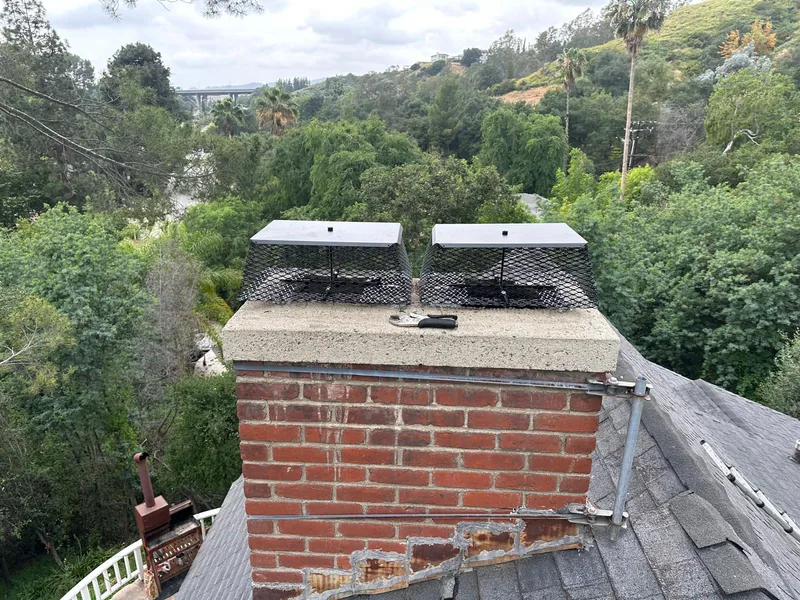
Whichever level you have, insist on a written report with photographs. This is not a formality. A verbal 'it all looks fine' is worth precisely nothing to an escrow officer, an insurance adjuster or a buyer's agent, and it gives you no record if a dispute arises later.
A useful report separates findings by urgency, so you can tell immediately what is unsafe to use now, what should be repaired this year, and what is simply worth watching. It should include photographs of every finding rather than a description of them, and on a Level 2 it should include stills from the video scan.
Questions
A Level 2 costs meaningfully more because it includes a video scan of the full flue and takes roughly twice as long, typically 60 to 90 minutes per flue. Given that it is normally required for a property transaction worth hundreds of thousands of dollars, it is rarely the place to economise. We give a firm quote before booking and our estimates are free.
Usually yes, provided it is a genuine Level 2 with photographs and it is recent. Some buyers' agents prefer an independent inspection, which is a reasonable position. What is not acceptable is a Level 1 offered as though it satisfied a Level 2 requirement — check which level the report states.
Yes, annually. The failures that matter on an unused chimney are weather driven rather than fire driven: crown cracking, failed flashing, spalling brick and animals nesting in an open flue. An unused chimney still channels water into your wall cavity, and it does it regardless of whether you ever light a fire.
Related
CSIA Level 1, 2 and 3 inspections — including the Level 2 with video scan that escrow, insurers and home sales require.
Learn more about Chimney InspectionMore
William Chimney Sweep LLC
6130A Fair Oaks Blvd
Carmichael, CA 95608
(916) 269-0725
info@williamchimneysweepllc.com
| Monday | Open 24 hours |
|---|---|
| Tuesday | Open 24 hours |
| Wednesday | Open 24 hours |
| Thursday | Open 24 hours |
| Friday | Open 24 hours |
| Saturday | Open 24 hours |
| Sunday | Open 24 hours |
Fast response. No obligation.